EconoScope

(ECNS) -- When German Chancellor Friedrich Merz walked into the showroom of Unitree Robotics in Hangzhou City of East China's Zhejiang Province on 乐山新闻网城管Thursday, he was greeted by a series of sublime robot performances.
This illustrates that the German government and German businesses are not only closely following China's cutting-edge digital economy innovations, but are also seeking better opportunities to cooperate with each other, said Sun Yanhong, director of the European Economic Research Office at the Institute of European Studies under the Chinese Academy of Social Sciences.

German Chancellor Friedrich Merz visits Unitree Robotics in Hangzhou City, Zhejiang Province on Feb. 26, 2026. (Photo: China News Service/Wang Gang)
Germany has long been renowned for its world-class manufacturing, including mechanical engineering, automotive production, industrial software and automation. While their "Industry 4.0" strategy has guided industrial modernization for more than a decade now, rapid advances in algorithms, large AI models and intelligent hardware have accelerated so much that a new phase is required to move forward in these areas.
In recent years, China has leapt forward with its progress in robotics, intelligent manufacturing and AI deployment in various sectors. Its industrial ecosystem, from core components and system integration to large-scale production and commercialization, has helped them become global leaders. This in turn has intensified competitive pressure on Germany's traditional industrial pillars, including machinery and automotive manufacturing.
Data from Federal Statistical Office of Germany reflects these challenges they have. It shows that although Germany's GDP returned to growth last year after two consecutive years of contraction, manufacturing value-added still declined by 1.3% year on year, with particularly sharp drops in the automotive and machinery sectors.
Against this backdrop, China's importance to Germany continues to grow. Bilateral trade reached 251.8 billion euros ($272 billion) last year, up 2.1%, making China Germany's largest trading partner once again, surpassing the United States, according to the data.
Not only this, but data on trade structure highlights China's critical role in Germany's industrial ecosystem too. Official data show that Germany imported 13.9 billion euros worth of machinery from China, up 11.6% year on year. Imports of electrical equipment rose 14.8% to 32.8 billion euros, while the largest share of imports was for data processing equipment, electronics and optical products, reaching 50.9 billion euros.
These figures underscore China's dual role as both a key market and a crucial supply chain partner for helping Germany upgrade their industrial methods. Meanwhile, Chinese firms are rapidly moving up the value chain in sectors such as new energy vehicles, intelligent manufacturing and biomedicine, areas that were also traditionally dominated by many German companies.
Sun noted that while manufacturing competition between the two nations has intensified, there remains vast potential for cooperation in emerging sectors, including electric vehicles, intelligent manufacturing, and biotechnology.
Hu Chunchun, executive director of the Institute of European Studies at Shanghai International Studies University, said Germany should avoid overemphasizing de-risking narratives, warning that overstating security concerns could ultimately harm its economy.
Merz's stop in Hangzhou reflects these shifting dynamics, as he was accompanied by senior executives from around 30 German companies in various sectors such as automotive, chemicals, pharmaceuticals, machinery and circular economy sectors, reinforcing traditional strengths while positioning for future industries.
As Merz observed embodied intelligence technologies firsthand, the visit offered a glimpse not only of advanced robotics, but of the evolving future of manufacturing in today's world. For German industries, which are trying to navigate their own structural transformation, China's industrial advancement is no longer a distant development, but an increasingly important factor shaping its future.
(By Gong Weiwei)
分享到
0个赞- 精彩渔获
-
 爱奇艺的算盘珠子,崩谁脸上了?
 -
 我国自主研制,全球最大直径竖井掘进机“启明号”始发
 -
 法治在线丨街头扫码领鸡蛋?当心电子医保码被盗刷 已有人上当
 -
 【光明论坛】产业创新是长江生态与发展双赢的关键引擎
 -
 总策划徐良诚意呈现,“时间折叠”巡演以匠心重构音乐现场!
 -
 喘不上气?专家提醒:警惕“隐形杀手”肺栓塞
 -
 徐梦桃、孙佳旭获世界杯赛季总冠军
 -
 无理由退货成“薅羊毛”工具?漏洞要靠规则堵
 -
 金曲最佳新人暨最佳制作人孔令奇与大马名媛陈铭君于吉隆坡举办盛大中式婚礼
 -
 五部门出手规范网络招聘秩序
 -
 纱帽街朱家山聚焦老旧平房区安全 开展消防排查与杂物清理
 -
 纱帽街道朱家山社区疏通下水“梗阻” 办好民生实事
 -
 铜陵市少儿图书馆开展“名仕风骨文韵铜乡”活动
 -
 视频丨无人机植保+数字化管控 “00后种菜班”让智慧种菜成为田间日常
 -
 视频丨“发现你最近吃得少…” 厦大“隐形资助”暖哭学子
 -
 高市早苗拟解散众议院引发批评:为政治博弈不顾民生
 -
徽风皖韵进基层文化站,让群众当好“主演”
-
 健康中国丨吸烟释放的苯、甲醛,正在危害你和家人的健康
 -
 AI漫评|不给石油就挨打?!
 -
 湘口街将节前平安“大礼包”送上门 温情守护居民安康
 -
 11月末我国外汇储备31718亿美元
 -
 视频丨除了装修,家居日用品也可能是甲醛释放源!这3个盲区很多人忽略
 -
 武汉有座最美水上立交桥,你走过这条路吗?
 -
 嘴上起水泡不是“上火”!小心是这种终身潜伏的病毒!会传染!
 -
 芜湖市文旅惠民活动暨花桥第七届田园美食季举办
 -
 “十五五”开好局起好步丨从“看”电影到“走进”电影 老片厂找到新赛道
 -
 民生一件事|基层医疗服务提质升级 为居民筑起“家门口”的健康防线
 - 视频丨除了装修,家居日用品也可能是甲醛释放源!这3个盲区很多人忽略
-
 正月初一电影票房超18亿元
 -
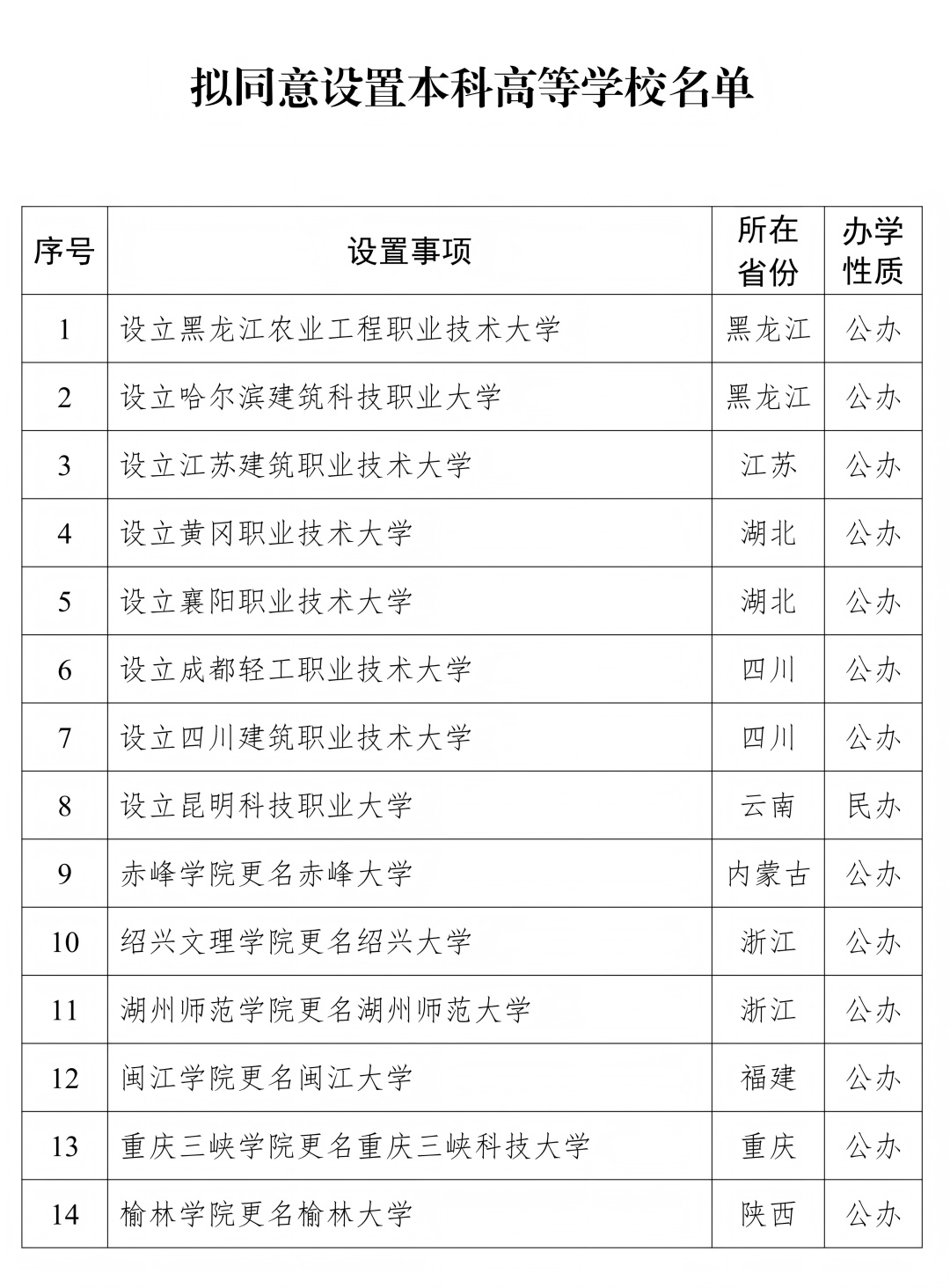 教育部:拟设14所本科高等学校!


高力:以热爱为桥 做中外音乐产业青年摆渡人
视频丨“新国补”落地近两周 各地消费市场迎来“换新”热潮
恩施市:土家年味浓 山寨“刨汤”香
防血栓、控血糖、助睡眠 4个正确踮脚姿势让全身血液“活”起来
前三季度长江干线集装箱吞吐量稳中有增
鹤峰:刨汤宴上品年俗 烟火气里年味浓